.png)

Drowning Prevention Plans
Drowning Prevention Planning is a whole-of-community approach to reduce the risk of drowning. It involves government, industry, and community to unify efforts, share expertise, and deliver impactful solutions

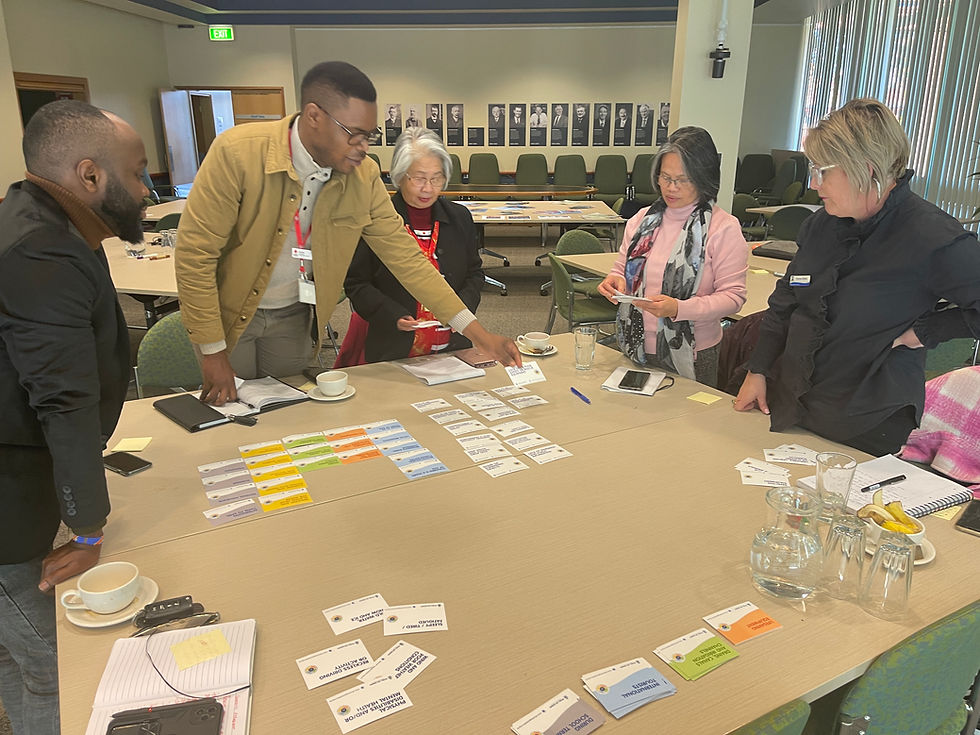
Background
Drowning prevention planning is a vital process aimed at reducing the risks of drowning and ensuring safer water environments for all. This approach involves understanding local drowning issues, identifying risk factors, and developing evidence-based strategies tailored to specific regions.
By combining research, community engagement, and collaboration with like-minded agencies, drowning prevention plans provide a structured framework for implementing effective actions and promoting water safety. These plans also align with national and international water safety frameworks to ensure consistency and impact.
How does it work?

Research
We collect and analyse data to identify drowning trends and risk factors in the community.
Engage
We collaborate with community groups, government agencies, and industry partners to share insights and gather input.
Plan
We create an evidence-based plan with targeted actions to address identified risks and improve water safety.
Implement
We put the plan into action and regularly evaluate its effectiveness to ensure continued progress.
Current Plans

Western Sydney Drowning Prevention Plan
Tasmanian Drowning Prevention Plan
ACT Drowning Prevention Plan
Australian Water Safety Strategy

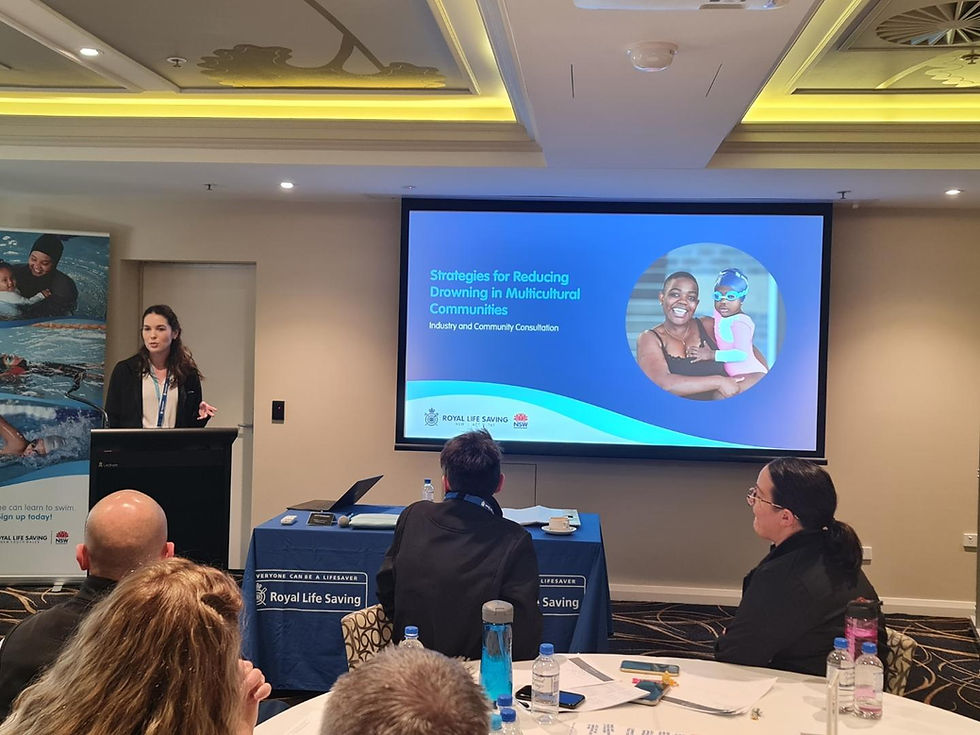
Our Role
Royal Life Saving plays a critical role in facilitating drowning prevention planning across communities. As a leader in water safety, the organisation provides expert guidance, access to research, and local data to help stakeholders identify risks and develop targeted solutions.
Royal Life Saving fosters collaboration between community groups, government bodies, and industry partners to ensure a unified and comprehensive approach. By supporting the development of local water safety strategies and promoting shared responsibility, Royal Life Saving helps build safer communities and prevent future drowning tragedies.