


SWIMMING AND LIFESAVING
Swim and Survive
Join thousands of children, adults, and families each year who choose our Learn to Swim programs to build confidence, gain vital water safety skills, and become stronger, safer swimmers for life.

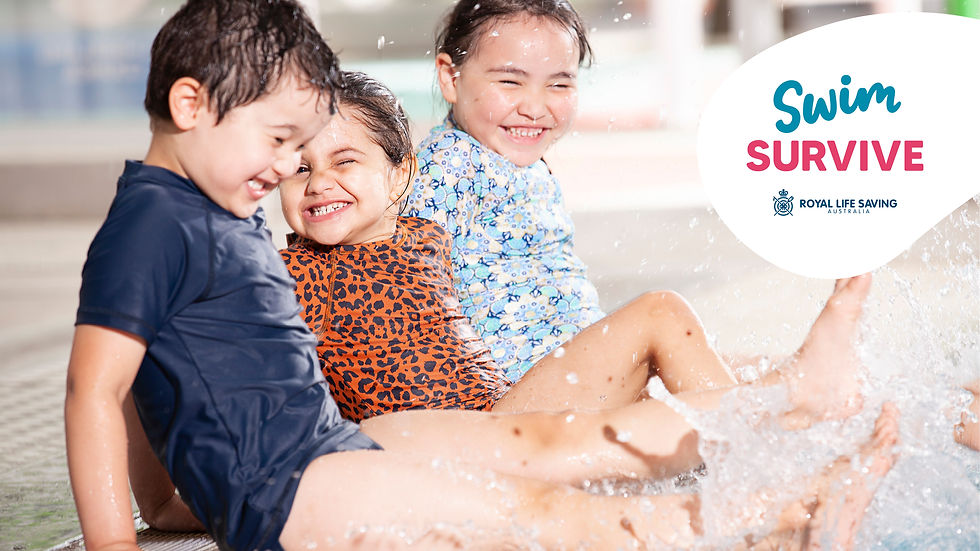

Swim and Survive
Program Background
Swim and Survive is one of Royal Life Saving’s flagship programs, providing structured swimming and water safety education to children across Australia. It is a nationally recognised curriculum that aims to prevent drowning by equipping every child with core aquatic competencies. The program aligns with national benchmarks, including the National Swimming and Water Safety Framework, and is trusted by parents, schools, and communities as a high-quality standard.
The program is designed to be inclusive, scalable, and adaptable to different facilities and teaching environments. Through structured levels, children progressively build confidence, safety awareness, and survival skills, ensuring they are prepared for a lifetime of safe aquatic participation. With dedicated teacher resources and program support, Swim and Survive also strengthens the capacity of swim schools and aquatic centres to deliver consistent, quality instruction.

Swim and Survive
Benefits of Swim and Survive
Participants and partner organisations enjoy multiple benefits:
Trusted, nationally recognised program for swimming and water safety.
Provides structured resources, lesson plans and assessment tools.
Ensures consistent, safe delivery through teacher induction and training.
Dedicated account manager support for partner organisations.
Includes resources for students with disabilities to support inclusion.
Boosts parent confidence and community trust in program quality.
FLEXIBLE DELIVERY
A program that works in different places.
Our programs can support structured programs at aquatic facilities, swim schools, schools and community settings.

Little Wonders
Little Wonders introduces children aged six months to three years to the water through play, games and fundamental movement activities. With a parent or carer participating in the water, children build confidence, enjoyment and the elementary skills needed before progressing towards independent swimming lessons.
Children learn how to:
Enter and exit the water safely
Float on their front and back
Rotate and orientate their body in the water
Move using basic kicking and arm actions
Glide forwards through the water
Develop breathing-preparation skills
Submerge safely and confidently
Follow basic water-safety rules
Interact with their teacher and other children
Every child is encouraged to participate and progress at their own pace. Parents and carers provide essential reassurance, support and guidance, while qualified teachers adapt activities to each child’s ability and stage of development.

Pre School aged
The Preschool program helps children aged three to five build the strong foundation skills needed for future swimming development. Through independent participation and engaging activities, children develop confidence, mobility and fundamental movement skills while learning how to stay safer in and around the water.
Children learn how to:
Enter and exit the water safely
Float, recover and orientate their body independently
Glide and move using kicking and propulsion skills
Control their breathing in the water
Develop foundation swimming strokes
Submerge safely and confidently
Apply elementary survival skills
Follow important water-safety rules
Identify dangers and know how to get help
Children progress at their own pace in small classes designed to support safe, inclusive and enjoyable learning. Parents and carers can encourage progress from the sidelines, while a supported transition level is available for children who are not yet ready to participate independently.

Primary School aged
The Primary School program helps children aged five to twelve consolidate foundation skills, develop stronger swimming ability and increase their distance and endurance. Through active, scenario-based learning, children build the water-safety, personal survival and lifesaving skills needed to enjoy aquatic environments safely.
Children learn how to:
Enter and exit different aquatic environments safely
Float, rotate and orientate their body in different positions
Apply survival skills and strategies during emergencies
Perform underwater and search activities
Develop swimming and survival strokes
Use appropriate rescue methods in different situations
Recognise aquatic hazards and protect themselves
Understand their abilities and limitations around water
Get help and provide a basic emergency response
Children participate at their own ability and progress as they consolidate each skill. The program provides a positive and inclusive pathway aligned with the National Swimming and Water Safety Framework, supporting children to achieve the National Benchmarks and progress beyond them.
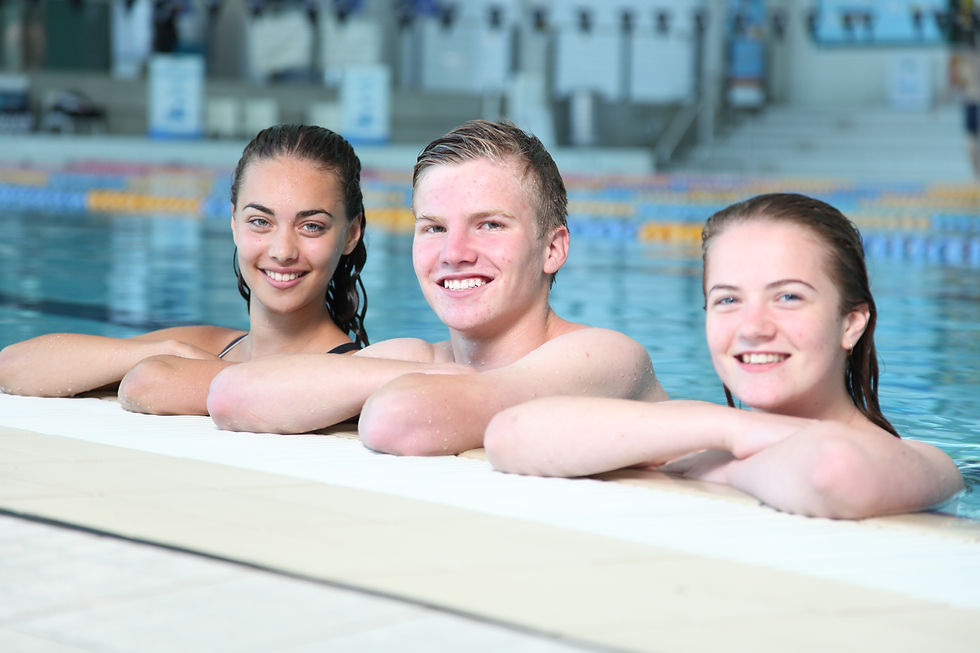
Teenagers
The Teenagers program provides opportunities to strengthen swimming ability, develop lifesaving skills and participate more confidently in aquatic activities. Whether refining existing skills or learning to swim for the first time, teenagers can progress at their own pace and explore pathways into lifesaving sport, leadership, teaching or lifeguarding.
Participants can:
Improve swimming technique and endurance
Build water-safety and personal survival skills
Work towards national swimming benchmarks
Complete Bronze Star and Bronze Medallion awards
Develop rescue, resuscitation and first-aid skills
Participate in pool lifesaving sport
Build leadership, teamwork and communication skills
Prepare for teaching, coaching or lifeguarding pathways
Gain confidence while learning alongside their peers
Teenagers of all abilities are welcome, including those who missed the opportunity to learn to swim as a child. Programs provide a supportive and inclusive pathway to develop skills, tackle new challenges and enjoy a lifetime of safer aquatic participation.
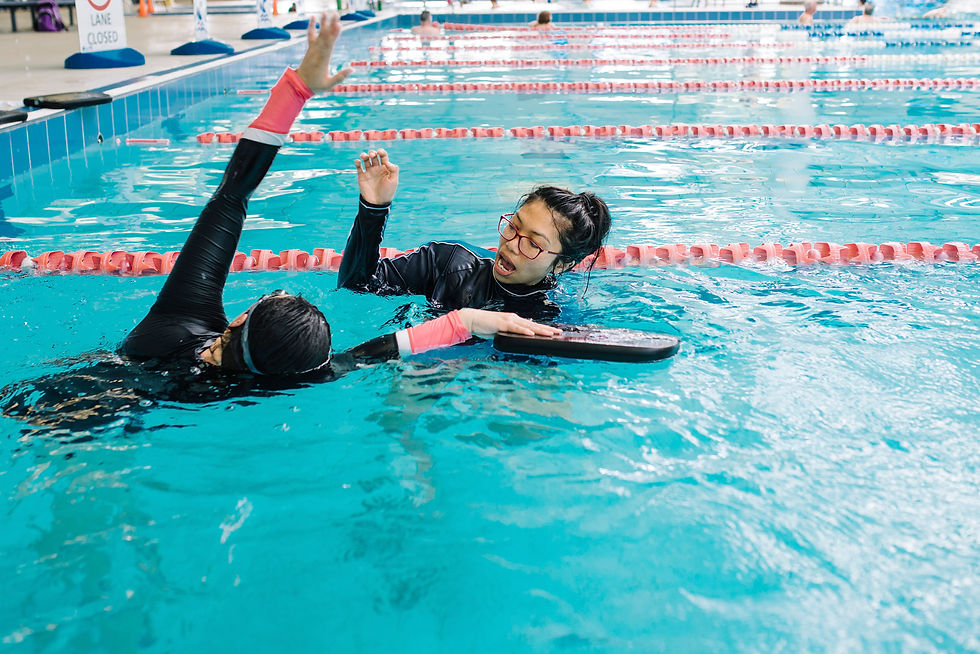
Adults
The Adults program supports people who did not learn to swim as a child or want to become more confident around water. Lessons provide a welcoming environment where participants can start with the basics, progress at their own pace and develop practical skills for safer aquatic participation.
Participants learn how to:
Enter and exit the water safely
Become comfortable putting their face underwater
Control their breathing and body position
Float, recover and stand safely
Glide and move through the water
Develop basic swimming strokes
Recognise aquatic hazards
Understand their abilities and limitations
Respond safely if they experience difficulty
No previous swimming experience is required. Teachers introduce skills gradually and adapt activities to each participant’s confidence and ability, helping adults work towards greater independence in the water.
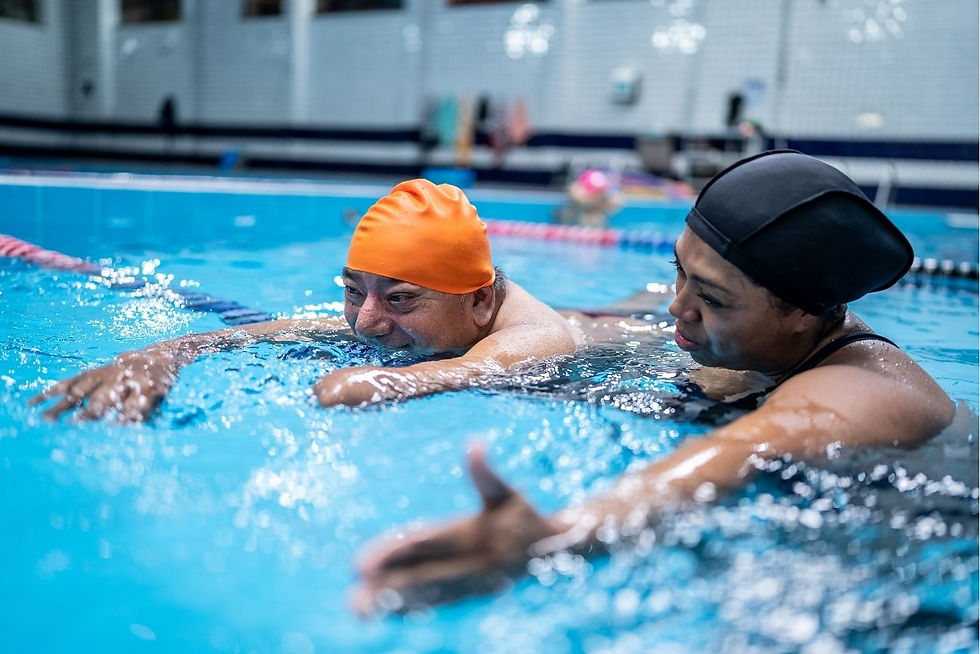
All Abilities
The All Abilities program provides inclusive swimming and water-safety opportunities for people with disability or additional support needs. Activities are adapted to each participant’s abilities, goals and preferred way of learning, helping everyone build confidence, develop practical skills and enjoy meaningful participation in the water.
Participants can:
Become more comfortable and confident around water
Enter and exit the water safely
Develop balance, movement and body-awareness skills
Practise floating, breathing and submerging
Build swimming and propulsion skills
Develop personal survival and water-safety knowledge
Improve strength, coordination and independence
Communicate and interact with teachers and other participants
Work towards individual swimming and participation goals
Participants learn at their own pace with support suited to their individual needs. Teachers can modify activities, equipment and communication methods to create a positive, safe and enjoyable learning experience.