.png)


Water Safety Fact Sheets
Find out more about how you can keep yourself and your loved ones safe in, on and around the water with practical advice based on research.

Drowning in Children 0–4 Years
Young children are at the highest risk of drowning, especially when supervision or access control fails.

Drowning in Youth (15–24 Years)
Youth drownings often involve risk-taking, strong currents, alcohol and misjudging ability.

Drowning in Adults (25–64 Years)
Adults are frequently exposed to aquatic environments and often underestimate risk or overestimate their skills.

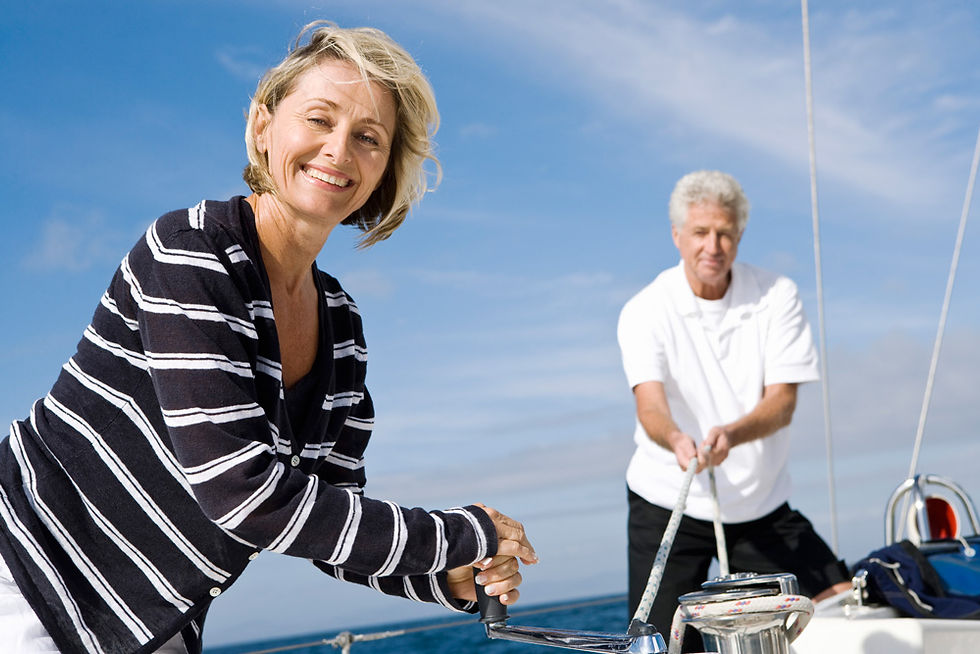
Drowning in Older Australians (65+ Years)
Older Australians face increased drowning risk due to health, mobility and unexpected slips near water.

Drowning in Multicultural Communities
New arrivals may be unfamiliar with local conditions, hazards and safety practices around water.
.jpg)
Drowning in ATSI Communities
Geography, access barriers and higher exposure contribute to increased drowning risk for ATSI communities.

Drowning in Regional Communities
Regional communities face higher drowning risk due to environmental exposure and reduced access to services.

Drownings at Beaches
Beaches present risks like rips and waves, especially when swimmers are outside patrolled areas.

Drownings in Rivers
Rivers contain hidden hazards, strong currents and dangerous underwater conditions.

Drownings in Backyard Pools
Backyard pools pose high risk to young children when supervision or access control fails.

Drownings in Swimming Pools
Swimming pools remain risky environments without vigilant supervision and safe behaviour.


Drowning on Farms
Farms include multiple unprotected water hazards that increase drowning risk, especially for children.

Alcohol and Drug-Related Drowning
Alcohol and drugs significantly increase drowning risk by impairing judgement and coordination.



Snorkelling and Diving Safety
Snorkelling safety depends on good equipment, a buddy system, and knowing your limits.


