


POOL LIFESAVING SPORT
Skills for life.
Sport for everyone.
More than just a sport. Pool lifesaving builds confidence, teaches teamwork, and is perfect for those who want to add an extra dimension to their swimming.


pool lifesaving events
Every event tests a different skill.
Select an event to see what athletes do and what makes each race unique.

Super Lifesaver
The super lifesaver is an endurance event that combines both the manikin carry and manikin tow over a distance of 200m. A competitor swims 75m freestyle, then dives to recover a submerged manikin from the middle of the pool before carrying the manikin 25m to the turn wall. After touching the wall, a competitor dons fins and a rescue tube in the water, swims 50m freestyle with fins and a rescue tube, then fixes the rescue tube around a half-filled manikin to tow the remaining 50m.

Manikin Tow
The manikin tow simulates a non-contact rescue of a conscious patient. Conducted over 100m, A competitor swims 50m with fins and a rescue tube, touches the turn wall, and then fixes the rescue tube around a half-filled manikin held by a handler (who is outside of the water). A competitor then tows the manikin 50m to the finish.
Manikin Carry
The manikin carry requires competitors to recover a submerged manikin and perform a contact tow, simulating the rescue of an unconscious submerged patient. The manikin carry is performed over distances of 50m and 100m, with and without fins. Manikins weigh approximately 40kg when filled with water - strength and technique are key in this event.
Line Throw
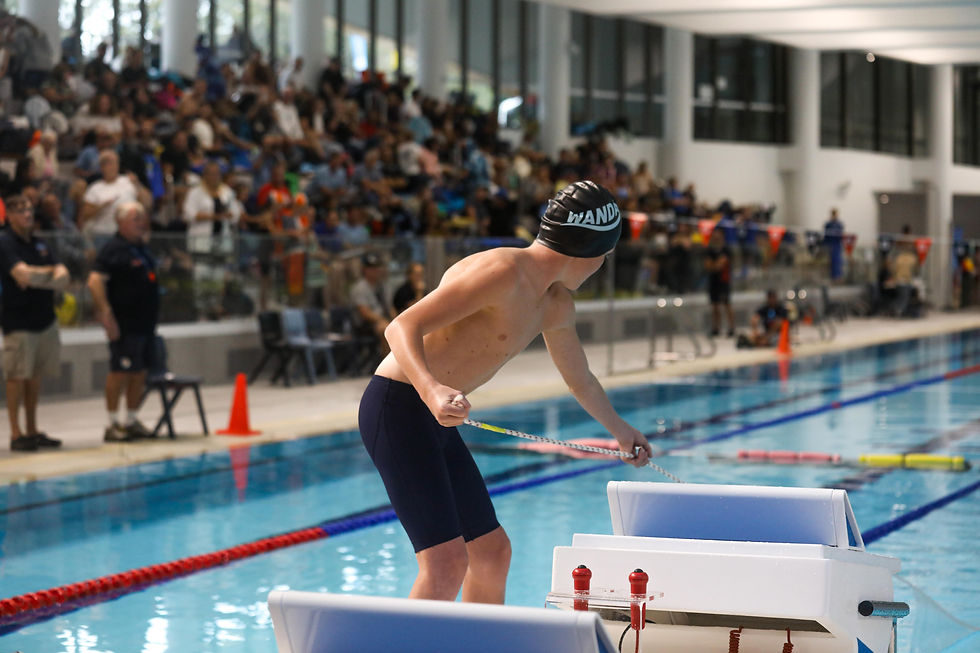
The line throw is one of the most exciting pool lifesaving events to watch and is equally a test of speed, technique and accuracy in performing a dry rescue. Competitors have 45 seconds to coil a rope, throw it to their patient in the water and pull them back to the start wall, usually over a distance of 12.5m. The world record for line throw is just 9 seconds!

Obstacle Swim
The obstacles event involves swimming under two submerged barriers (know as obstacles) each lap of the race, placed at an equal distance from each end of the pool. Obstacles simulate underwater hazards in an aquatic environment and swimmers must use skills of scanning, surface diving and swimming underwater to complete the event. Competition events are usually held over 100m or 200m distances.

CPR Competition
The cardiopulmonary resuscitation (CPR) competition is a timed test of accuracy and technique, with competitors required to demonstrate effective resuscitation on a training manikin. Competitors are judged and given a score based on how well they follow the resuscitation protocol for a drowning patient including initial assessment, effectiveness of rescue breaths, effectiveness and timing of compression and communication to judges.

SERC Competition
Simulated Emergency Response Competition (SERC)
The simulated emergency response competition (SERC), also known as an initiative test, challenges the emergency response, rescue skills and initiative of lifesavers in a staged emergency situation that is unknown to the competitors before they enter the pool area. Conducted in both individual and team formats, competitors are judged and scored on their application of rescue principles, emergency care, teamwork and communication. SERC events normally run for 2 minutes and are more or less complex depending on the age group or lifesaving award held by the competitors.
JOIN A CLUB
Train together.
Compete together.
Clubs are the heart of pool lifesaving sport. They offer coaching, regular training, team connection and opportunities to compete.

YOUR PATHWAY
Join a club
Find a club that suits your location and experience.
Learn the events
Build confidence and technique with your teammates.
Start Competing
Enter events suited to your age and ability.
pool lifesaving clubs
Find your club.
Explore the five clubs currently supporting pool lifesaving participation and competition across NSW
01
Enfield Life Saving Club
Enfield Aquatic Centre
Club colours: Red, yellow and royal blue
Contact: hello@enfieldlifesaving.com.au
04
The Hills Swimming & Lifesaving Club
Waves Fitness & Aquatic Centre
Club colours: Royal blue and white
Contact: thehillslifesaving@gmail.com
MAJOR CHAMPIONSHIPS
A pathway from your first race to the world stage.
Competition levels allow athletes to build experience progressively while staying connected to their club and team.
REPRESENTATIVE TEAMS
Represent NSW. Represent Australia.
Representative teams give selected athletes the opportunity to compete at a higher level, develop within a performance environment and represent NSW or Australia.

Australian Lifesaving Team
The Australian Life Saving Team is comprised of three squads - Youth, Pathway and Open, with top performing athletes in each discipline (pool, open water/craft and beach) selected to contest the biennial World Lifesaving Championships and other national team competitions within the two-year World Lifesaving Championship campaign.
In addition to traveling around Australia and abroad, selection to the ALT provides athletes with development and leadership opportunities in and out of the pool including access to high performance coaches and athletes, mentoring, national and international competition and touring, training and development camps, and depending on the level of representation access to individual sporting grants and funding.
To be eligible for representative teams, athletes must be a member of Royal Life Saving or Surf Life Saving, hold a current lifesaving award, and attend selection events that may include state or national championships, time trials or selection camps.
NSW State Team Selection
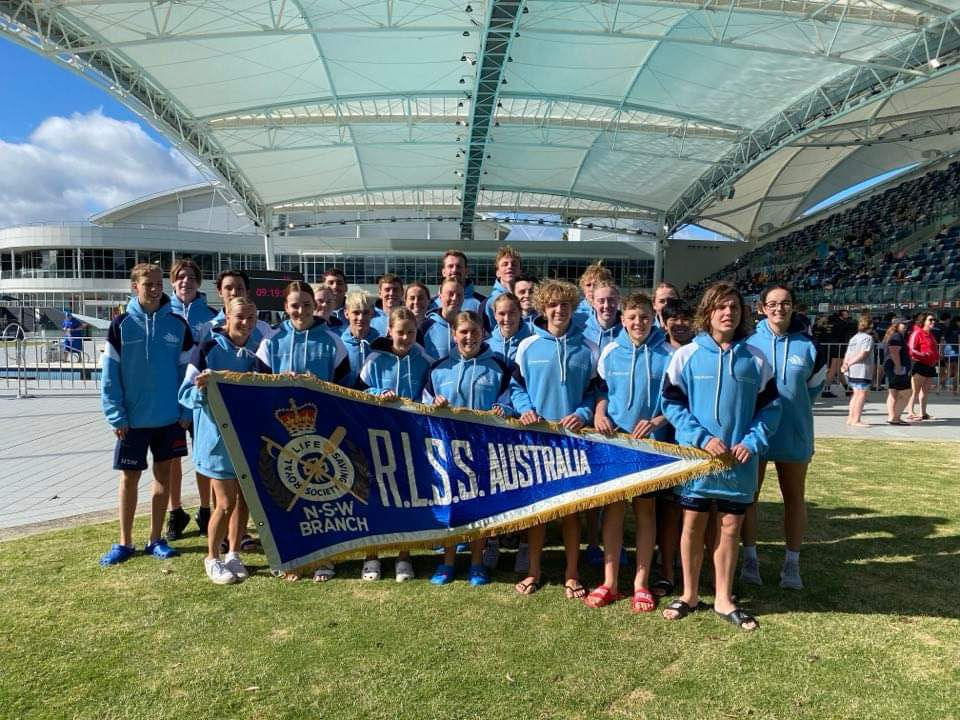
Royal Life Saving NSW selects a State Team each year to compete at the Australian Pool Life Saving Championships (APLSC), where athletes from across the country race to qualify for the Australian Lifesaving Team. NSW teams have consistently showcased top talent, achieving outstanding individual and team results.
To be considered, athletes must submit personal best times from RLSSA-sanctioned competitions within the last three years (including approved SLSA Championships) via an Expression of Interest form for Selection Committee review
YOUR PATHWAY
Coaches
Develop skills and support athletes
Officials
Ensure fair and safe competition
Team Managers
Coordinate teams and support participants